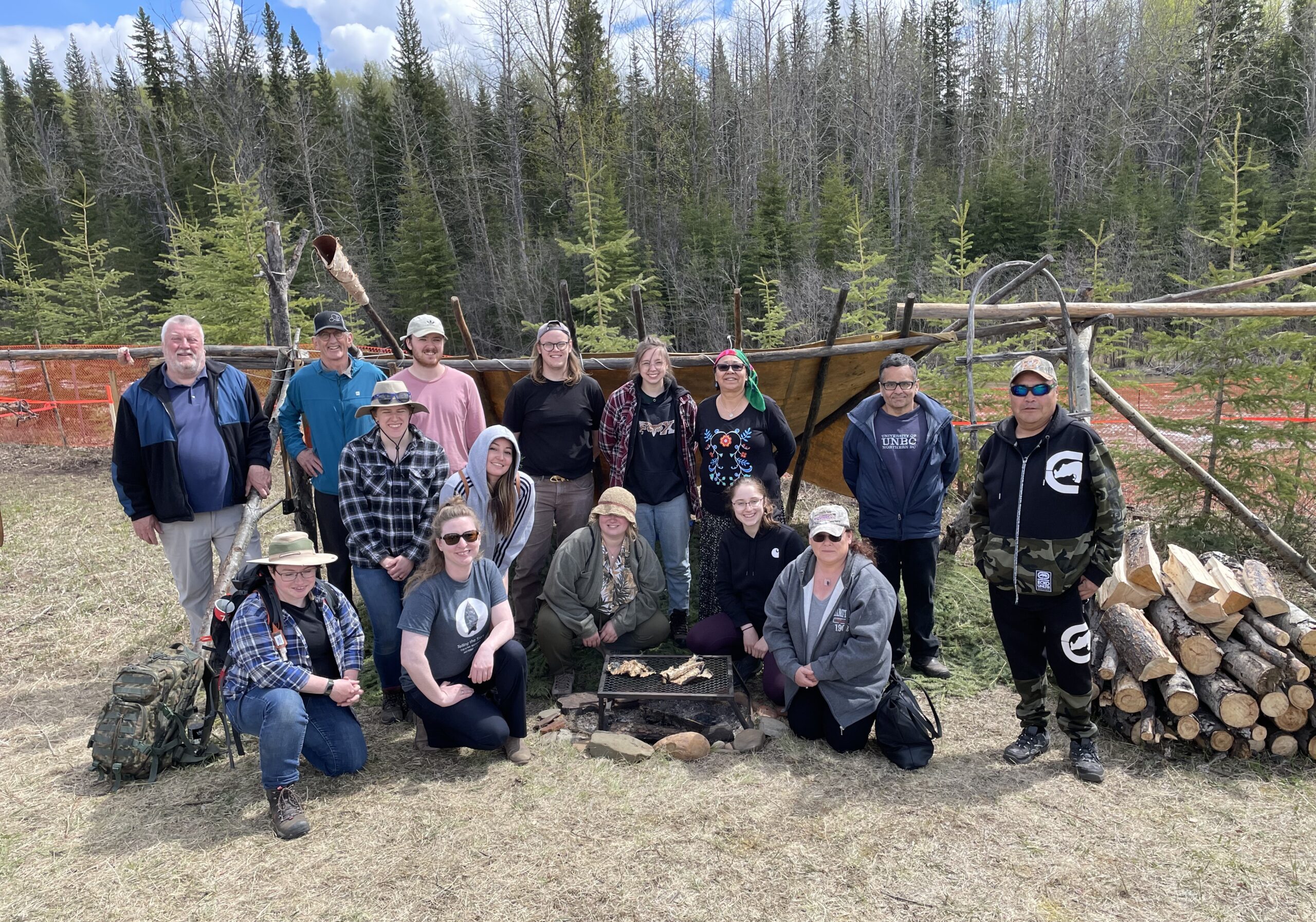
2024 UNBC Archaeology Field School


The Tse’K’wa Heritage Society and UNBC Department of Anthropology are pleased to offer an archaeology field school from May 12 – June 22nd, 2024, subject to sufficient enrollment.
This 9-credit field school takes place at Tse’K’wa National Historic Site, formerly known as Charlie Lake Cave. This is the second field school that is part of a research project, which is co-directed by Dr. Farid Rahemtulla (UNBC) and by Dr. Mike Richards from Simon Fraser University (SFU).
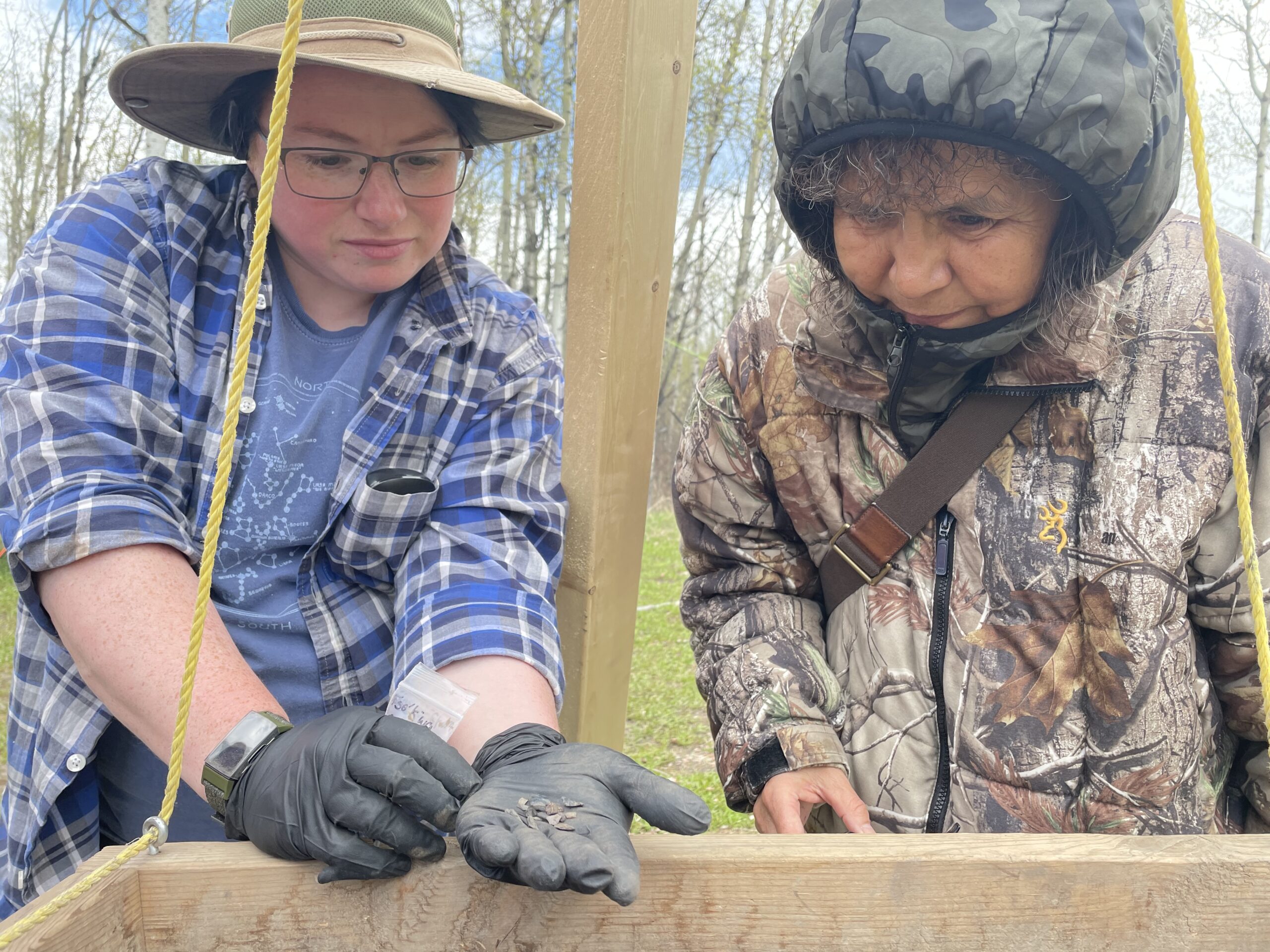
Indigenous participants will camp and learn alongside university students, earning 9 university level credits and a certificate of completion at the conclusion of the course. They will learn about Dane-zaa cultural history from local Knowledge Keepers as well as: hands-on training in field-testing and excavation methods in a research setting, archaeological science analysis, and skills that are applicable in Cultural Resource Management.
Eligible participants will have no costs to attend the program (see below).
Schedule
The entire program will be delivered in the field at Tse’k’wa National Historic Site. Participants will camp and learn onsite for the entire duration of the field school.
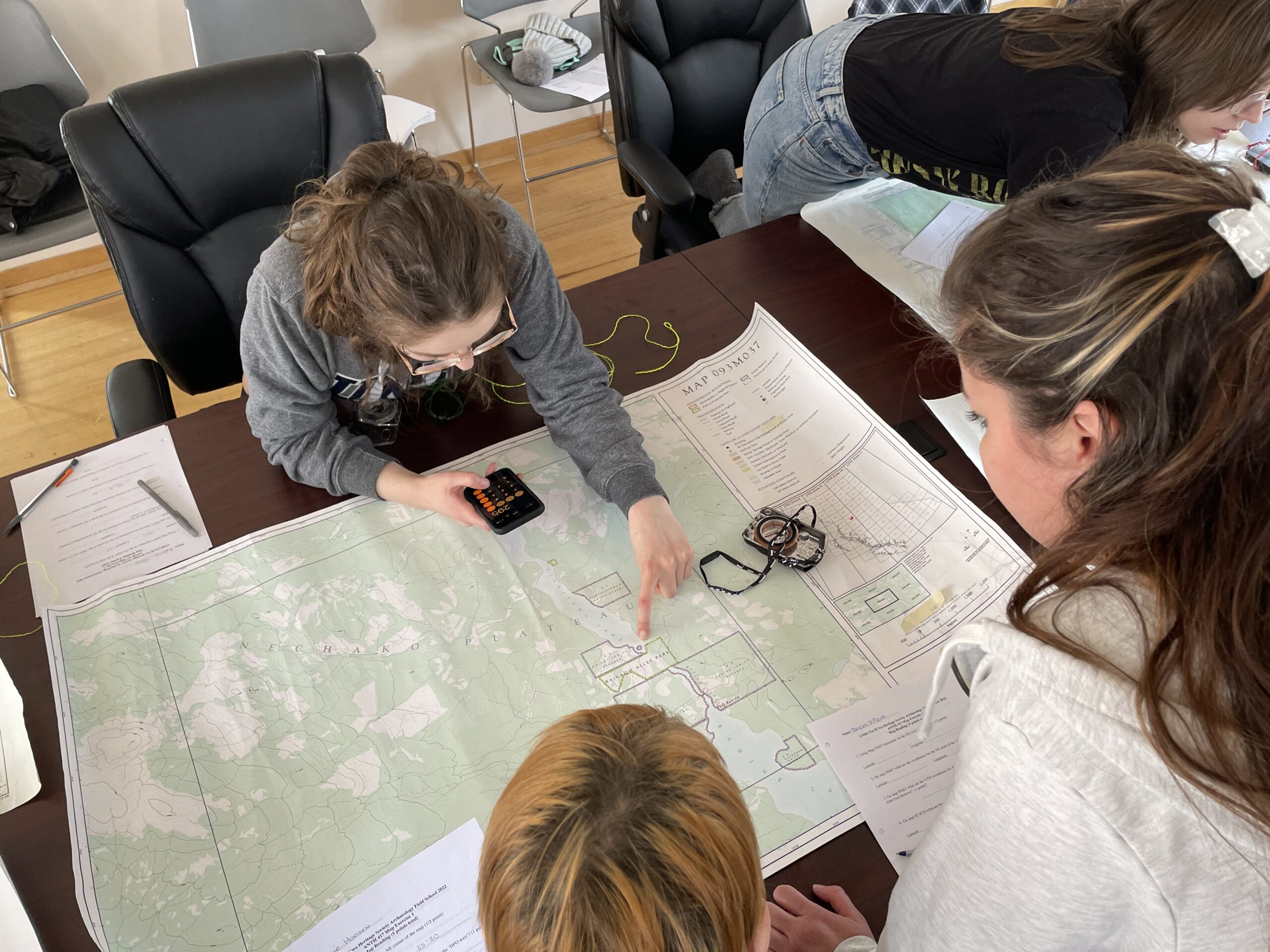
The first phase features gatherings and discussions, lectures, experimental archaeology, and practical exercises on survey and mapping. The field school will participate in Doig Day on May 23rd.
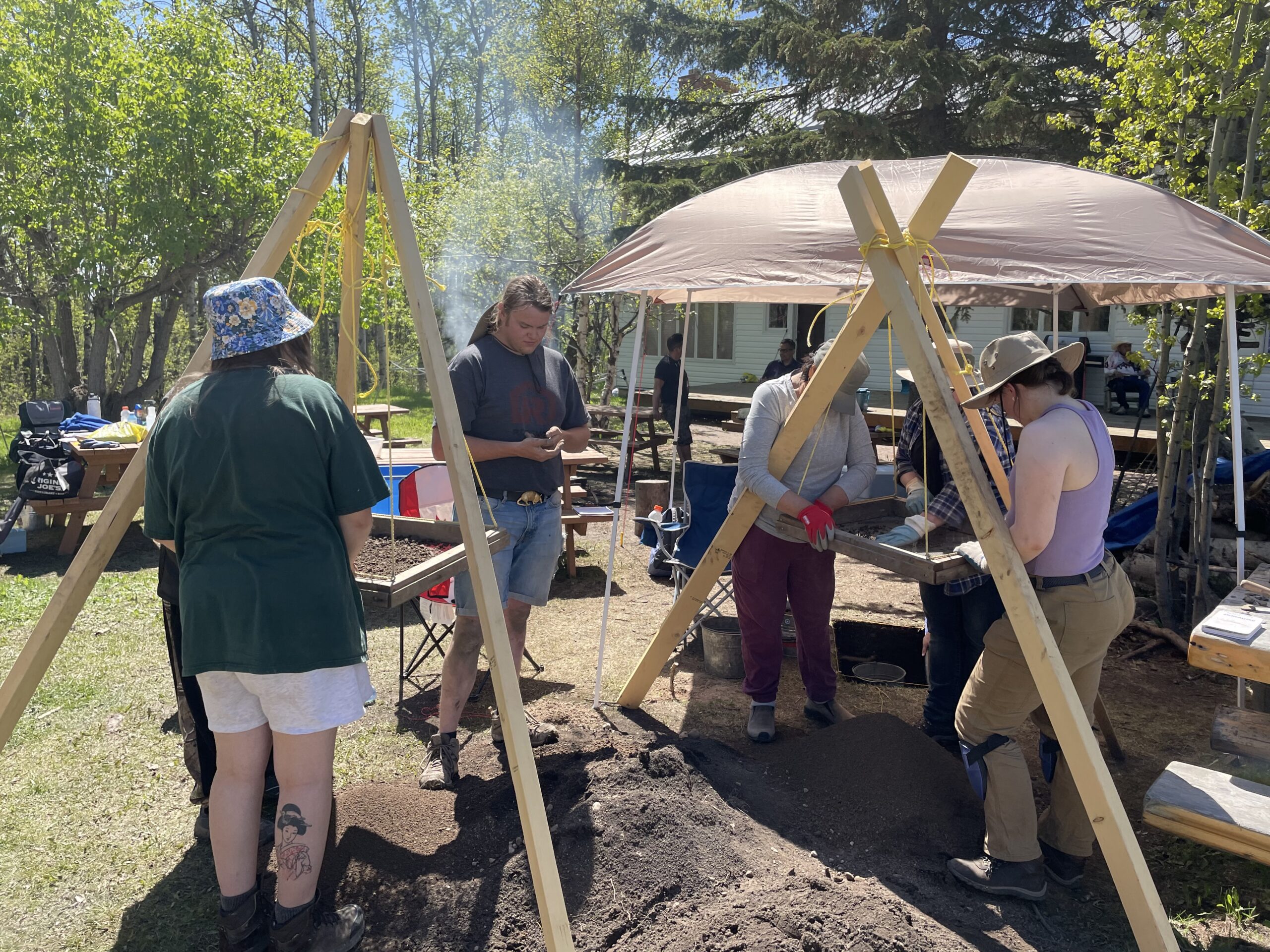
During the second phase the group will engage in testing, excavations and lab analyses at Tse’K’wa. The field school will participate in National Indigenous Peoples Day at Tse’k’wa on June 21. The field camp will be struck down on June 22nd, after which students will return home.
All participants must attend the entire duration of the field school (6 weeks). Sundays are generally a rest/camp day.
Accommodation and Camp Life
The field school will be based at a camp on private property that also includes Tse’Kwa. Students will camp in tents and sleeping bags for the duration of the school. Indigenous participants may make use of loaned equipment. Everyone will be a full participant in camp life, including helping with the camp set up and take down, preparing meals and equipment maintenance. Camp life is rustic but comfortable. This area has plenty of wildlife, and so all students must adhere to basic camp safety rules. Electrical power is available at select points on the property, and wifi internet access is available near the house. A temporary classroom will be set up in the archaeology dome during the course. Field school students will not be permitted access to the Tse’k’wa main building.
Field Research
The second phase consists of several weeks of field survey, testing and excavation. The group will conduct research testing and excavations throughout the property. In 2024 we will expand our experimental archaeology program to potentially include construction and use of a traditional earth oven, and making and using stone tools to recreate some of the plant based material culture such as spears, digging sticks, and cordage.
Overall, students will receive comprehensive training in archaeological field research and they may be exposed to various types of: landforms, sites, data collection and analysis
techniques, and material culture. Indigenous community members will share knowledge, so students will also learn about Dane-zaa culture history and traditions.
Program Costs
Tse’k’wa is applying for ISET (Indigenous Skills and Employment Training) funding to cover tuition and fees for the program. Eligible participants will have no costs to attend the program.
ISET funding helps Indigenous people build their skills and find employment. ISET supports individuals who are unemployed, under-employed, and/or up-skilling in their current employment.
Overall
Throughout the project participants will become familiar with basic concepts in archaeological survey and mapping, lithic and organic technology, traditional subsistence, and they will receive training in the use of appropriate equipment. Students will learn to operate and analyze data and create maps via a variety of equipment including compass and GPS, total station, and UAV. In 2024 students will also learn about the latest archaeological science techniques that will be used to shed light on the deep history of the site. Local and long distance field trips may be undertaken to enhance learning. Students will also be introduced to issues on conducting archaeology with Indigenous peoples, particularly on the importance of integrating Traditional Knowledge and oral histories.
Elders and other community members may share their knowledge on culture and history. In past field schools such knowledge has been in the form of story telling and song, collecting plant foods and medicinal plants, constructing summer dwellings, creating roasting pits, learning fishing and processing techniques, working with traditional technologies and more. An important goal of the field school is to encourage participants to bridge the gap between Traditional Knowledge and Western Knowledge. To foster this, university students will take field school courses side by side with Dane-zaa and other community members.
